.webp)
Clean Your Vents and Furnace Filter Before You Turn the Heat On
The first time you turn the heat on, months of settled dust gets blown through every room in your house. Scrubishly explains how to clean your vents and change your furnace filter properly, which MERV rating to buy, and when duct cleaning is actually worth paying for.
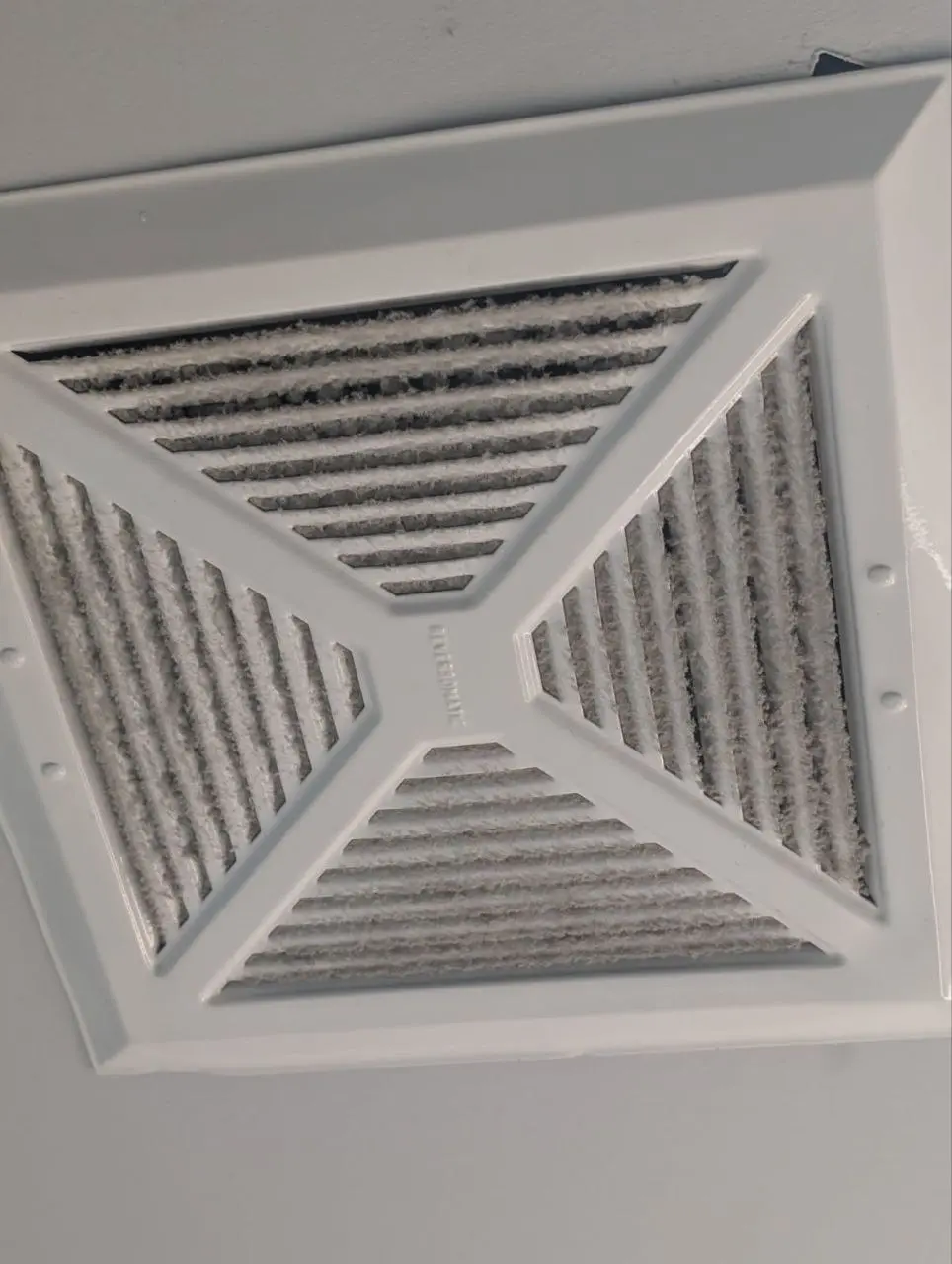
You know the smell. The first properly cold night in October, you finally give in and turn the heat on, and within about ten minutes the whole house smells warm and dusty and faintly like something is burning.
Most people assume that is just what a furnace does. It is not. That smell is months of settled dust getting heated up and blown out through your vents, into every room in the house.
Whatever is sitting in your system right now is about to be redistributed across a home you probably just cleaned. Then it circulates, all winter, in a house with the windows shut.
The fix takes about an hour, costs the price of a filter, and it is genuinely one of the highest value hours of household maintenance in the year. Here is how to do it.
Why the First Heat of the Season Smells Like That
Your furnace has been sitting idle since roughly April. Six months of dust has settled onto the heat exchanger, inside the ductwork and across the vent covers.
When the burner fires up for the first time, that dust hits a hot surface and burns off. That is the smell. It usually fades after an hour or two, and on its own it is not dangerous.
The problem is not the smell. The problem is everything that does not burn off and instead gets blown out into your rooms, where it settles on furniture, gets stirred up when you walk past and ends up in the air you breathe for the next six months.
There is a real reason this matters in a Canadian home specifically. Once the cold arrives, your windows stay closed until spring. There is no natural ventilation clearing things out. Whatever is in your air stays in your air, cycling through the same system over and over.
If anyone in your home has asthma, allergies or gets what feels like a permanent winter cold, this is worth taking seriously.
Do This Before the First Cold Night
The timing matters more than people realise. All of this is much easier and more effective before the heat comes on, not after.
In Toronto that usually means the second half of September or the first week of October, depending on the year. If you are already reaching for a blanket in the evening, you are about a week away from turning the furnace on. Do it now.
How to Change Your Furnace Filter
This is a ten minute job and it is easier than most people expect.
Find the Filter
It sits in a slot where the large return duct meets the furnace itself, usually on the side or the bottom of the unit. There is often a small metal cover or a slide out tray.
If you have never located yours, look for a slot roughly the size of a large book. Some homes have the filter housed in the return air grille on the wall instead, particularly in older Toronto houses.
Check the Size First
The dimensions are printed on the cardboard edge of the existing filter. Something like 16 x 25 x 1.
Write it down or photograph it before you go to the hardware store. Buying the wrong size is the single most common mistake, and a filter that does not fit snugly is close to useless because air simply flows around it.
Note Which Way the Arrow Points
There is an arrow printed on the frame showing airflow direction. It should point toward the furnace, in the direction the air is travelling.
Installing it backwards is the second most common mistake. The filter still catches some dust but it works far less efficiently and can restrict airflow.
Swap It Out
Turn the furnace off at the switch first. Slide the old filter out, and if it is grey or matted, that is exactly what has been going into your air. Slide the new one in with the arrow pointing correctly, replace the cover, and turn the furnace back on.
Write the Date on It
Take a marker and write the date on the cardboard edge of the new filter.
This tiny habit is what stops the filter going untouched for eight months. Next time you glance at it you know exactly how long it has been in.
Which Filter Should You Actually Buy?
The wall of options at the hardware store is genuinely confusing, and the packaging is designed to push you toward the most expensive one. Here is the plain version.
What MERV Actually Means
MERV is a rating from 1 to 16 for how fine the particles are that a filter can trap. Higher numbers catch smaller particles.
The instinct is to buy the highest number available. That instinct is wrong.
The Right Rating for Most Homes
A very high MERV filter is denser, which means your furnace has to work harder to pull air through it. On a residential system that can reduce airflow, raise your heating costs and in some cases strain the blower motor.
For most Toronto homes, MERV 8 to 11 is the sensible range. It catches dust, pollen and pet dander without choking the system.
Go to MERV 13 only if someone in the house has significant allergies or asthma, and check your furnace manual first to confirm the system can handle it. If you are unsure, MERV 11 is a safe choice in almost every home.
One Inch Versus Four Inch Filters
If your furnace has a slot for a thicker filter, usually four or five inches, use it. Thicker filters have far more surface area, so they trap more while restricting airflow less, and they last several months rather than one.
They cost more per filter but usually work out cheaper across a winter. You cannot fit one unless your furnace has the housing for it, so check the slot before buying.
How to Clean Your Vents and Registers
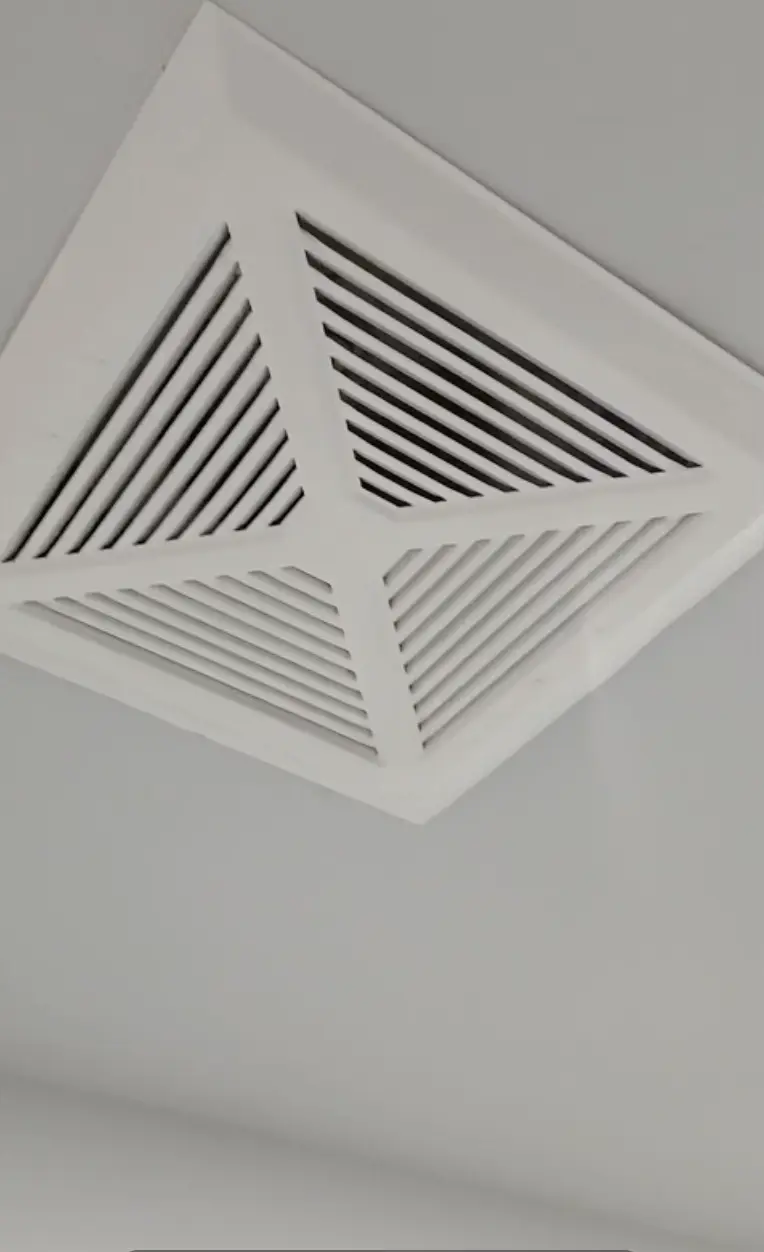
Once the filter is sorted, the vents themselves are the other half of the job.
Supply Vents
These are the ones warm air blows out of.
Unscrew or lift off the cover. Wash it in hot soapy water in the sink, and if it is greasy or has years of buildup, let it soak for ten minutes first. Dry it completely before putting it back, because a damp vent cover attracts dust immediately.
While the cover is off, take your vacuum hose and reach as far into the duct as it will comfortably go. You will be surprised what comes out, especially from floor vents.
Cold Air Return Vents
These are the larger grilles, usually on walls, that pull air back into the system. People clean the supply vents and forget these entirely, which is backwards, because the returns pull air through and collect far more dust.
Vacuum the grille thoroughly with a brush attachment, wipe it down, and vacuum inside the opening as far as you can reach. Your filter sits downstream of these, so anything you remove here is dust the filter never has to deal with.
A Word About Floor Vents
Floor vents in Toronto homes accumulate an astonishing amount, and not only dust. Pet hair, crumbs, small toys, coins, hair elastics, the occasional sock.
Lift every one and look. In a family home this is often the single dirtiest hidden spot in the house.
Cleaning Your Vents Is Not the Same as Duct Cleaning
Worth being clear about this, because there is a lot of aggressive marketing around it every autumn.
What you have just done is clean the vents, the covers and the first stretch of duct you can reach. That handles the majority of the dust that actually affects your air, and for most homes it is enough.
Professional duct cleaning is a different service. It uses truck mounted vacuums and long rotating brushes to clean the entire duct system throughout the house. It costs several hundred dollars in the GTA.
You will get a lot of calls in September and October telling you that you urgently need it. Most homes do not need it every year, and some homes never really need it.
When Duct Cleaning Is Genuinely Worth Paying For
There are real cases for it. Book it if any of these apply.
- You have just finished a renovation, and construction dust is in the system
- You have moved into a home and have no idea when the ducts were last done
- You can see visible mould growth inside the ductwork or around vents
- You have evidence of rodents or insects in the ducts
- Dust is visibly puffing out of the vents when the heat kicks on
- Nobody in the household can remember it ever being done, and the house is more than fifteen or twenty years old
If none of those apply and your home is reasonably maintained, changing your filter regularly and cleaning your vents does most of the work for a fraction of the cost.
Be wary of anyone offering a whole home duct cleaning for a suspiciously low price. That model usually depends on upselling once the technician is inside your house.
Do These on the Same Day
You are already down at the furnace with tools out. A few things worth doing while you are there.
- Test your carbon monoxide detector. Heating season is exactly when this matters, and in Ontario a working CO alarm near sleeping areas is required by law in homes with a fuel burning appliance. Replace the battery.
- Test your smoke alarms while you are at it.
- Check the furnace humidifier if you have one. The pad needs replacing roughly once a year and the water line needs to be turned back on for winter.
- Clear the area around the furnace. No boxes, no storage, nothing stacked against it.
- Vacuum the visible exterior of the furnace and the floor around it.
- Run the heat for fifteen minutes while you are still standing there, so if something is wrong you find out in September rather than at midnight in January.
How Often to Change the Filter Through Winter
Once the heating is running constantly, the filter works much harder than it does the rest of the year.
Standard one inch filter: every one to three months. Check it monthly.
Four or five inch filter: every six to twelve months, but still check it at the midpoint of winter.
With pets: shorten both of those. Two shedding animals can cut the life of a filter roughly in half.
With allergies in the house: monthly through the heating season, without exception.
The check itself takes thirty seconds. Pull it out and hold it up to a light. If light barely passes through, replace it, regardless of how long it has been in.
Signs You Have Left It Too Long
- Rooms furthest from the furnace never get properly warm
- Dust reappears on surfaces within a day or two of cleaning
- The furnace runs longer and more often than it used to
- Your heating bill has climbed without a rate change
- Whistling or straining sounds from the return vent
- Allergy symptoms that get worse indoors rather than outdoors
That last one is the one people misread most often. Winter allergy symptoms that ease when you leave the house are usually pointing at something inside it.
Frequently Asked Questions
When should I clean my air vents before winter?
Late September or early October in Toronto, before you turn the heat on for the first time. Doing it beforehand stops six months of settled dust from being blown through the house.
How often should I change my furnace filter?
Every one to three months for a standard one inch filter during heating season, or every six to twelve months for a thicker four or five inch filter. Homes with pets or allergy sufferers should change them more often.
What MERV rating is best for a home furnace?
MERV 8 to 11 suits most homes. It captures dust, pollen and pet dander without restricting airflow. MERV 13 is worth considering for households with asthma or serious allergies, but check that your furnace can handle it first.
Why does my house smell dusty when I turn the heat on?
Dust that settled in the furnace and ducts over the summer burns off when the system fires up for the first time. It usually clears within an hour or two, and cleaning your vents and replacing the filter beforehand largely prevents it.
Do I need professional duct cleaning every year?
No. Most homes do not need it annually. It is worth doing after a renovation, when moving into a home with unknown history, or if there is visible mould, pests or dust visibly blowing from the vents.
Can a dirty furnace filter increase my heating bill?
Yes. A clogged filter restricts airflow, so the furnace runs longer to reach the same temperature. Replacing it is one of the cheapest ways to keep heating costs down through a Canadian winter.
Book the Rest of the Reset
Cleaning your vents and swapping the filter handles your air. The dust that has already settled everywhere else in the house is a bigger job, and it is best done in the same window, before the windows close for the season.