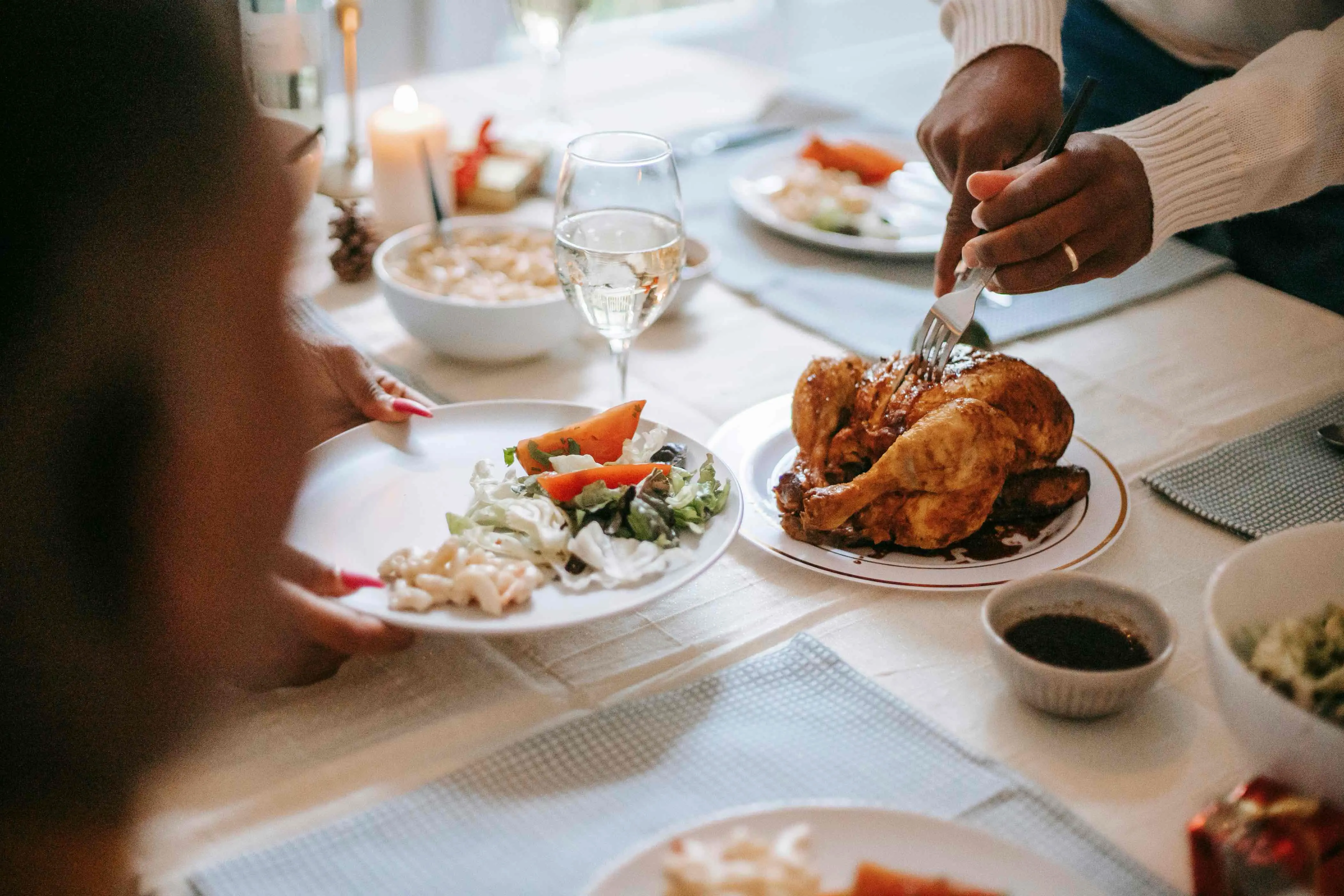
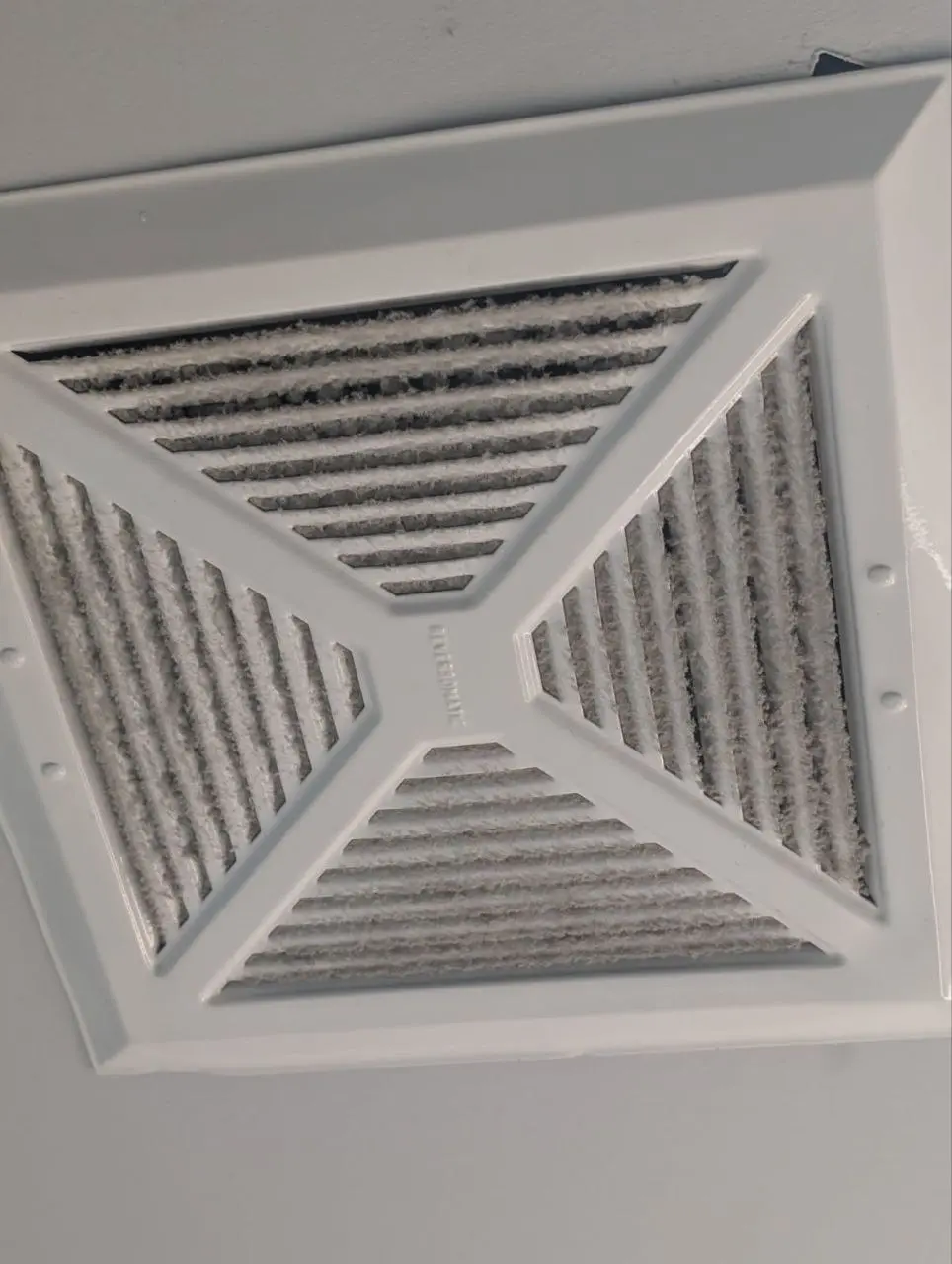
.webp)
How to Clean Up After a Dinner Party: A Kitchen Recovery Plan
The last guest has gone and every surface is covered in something. Scrubishly breaks down the twenty five minutes that genuinely have to happen tonight, what can safely wait until morning, and how to deal with red wine, gravy, grease and candle wax before any of it sets.

The last guest has gone. The house is quiet. And every flat surface you own is covered in something.
There is a version of this evening where you stand in the kitchen at midnight, exhausted, doing dishes badly and resenting the whole thing. And there is a version where you do about twenty minutes of the right work, go to bed, and wake up to a kitchen that is genuinely recoverable in half an hour.
The difference between those two evenings is knowing what actually has to happen tonight and what can safely wait until tomorrow.
Here is the plan, including how to deal with red wine, candle wax and gravy before they become permanent.
The Fifteen Minutes That Save You an Hour Later
This part happens before anyone sits down, so it is worth reading now rather than after the fact.
While you are cooking, clean as you go. Every pot that comes off the stove either goes into the dishwasher or into the sink with hot soapy water in it. Every prep bowl gets rinsed the moment it is empty.
Then, right before you serve, do three things.
Empty the dishwasher completely. An empty dishwasher at the start of dinner is the single most useful thing in the house that evening. A full one means every dish goes on a counter instead.
Clear one counter entirely. You need a landing zone for dirty dishes that is not the kitchen table or the sink. One clear stretch of counter is enough.
Fill the sink with hot soapy water. Anything that cannot go in the dishwasher goes straight in to soak while you eat. Dried gravy is a completely different job from soaked gravy.
Hosts who do these three things spend about half as long cleaning up afterwards. It is not extra work, it is the same work moved to a moment when you are not tired.
Tonight Versus Tomorrow
Here is the honest split. Most of what feels urgent at eleven at night is not.
Do tonight, without exception:
- Anything that will stain if it dries, which mostly means wine, sauces and grease on fabric
- All food into the fridge or freezer
- The dishwasher loaded and running
- Pots and pans put to soak
- Rubbish and recycling out, or at least bagged and out of the kitchen
- A wipe of the dining table, because sticky sets overnight
Leave until tomorrow:
- Hand washing the good glasses and serving dishes
- Mopping the floors
- The oven
- Vacuuming
- Putting furniture back
- Anything in a room you are not walking through tonight
That first list takes about twenty five minutes. That is your whole obligation for the night.
The Order to Work In
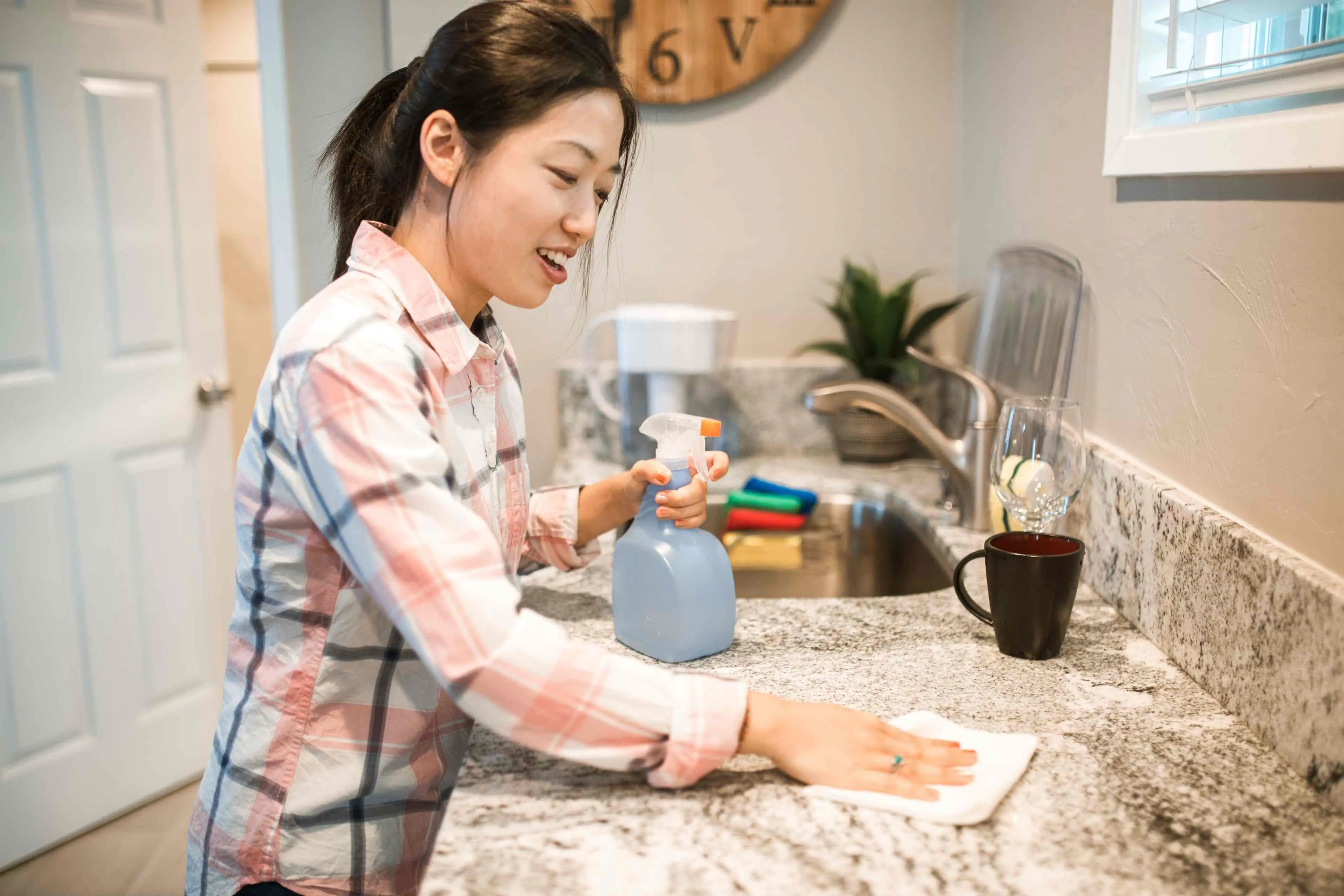
Sequence matters more than speed here, because the wrong order means doing the same surface twice.
One. Deal with the stains first. Anything on fabric, carpet or the tablecloth. This is genuinely time sensitive and everything else is not.
Two. Food away. Leftovers into containers and into the fridge. Do not leave cooked food sitting out while you clean, and do not put a large hot dish straight into the fridge, since it warms everything around it. Divide it into shallower containers so it cools faster.
Three. Clear surfaces into the kitchen. Walk the dining and living rooms with a tray. Glasses, plates, napkins, everything. Get it all into one place so the rest of the house is done.
Four. Load and run the dishwasher. Scrape properly first. Run it tonight even if it is not completely full, because a running dishwasher overnight means an empty one in the morning.
Five. Everything else to soak. Pans, roasting tins, anything with baked on residue. Hot water, dish soap, walk away.
Six. Bins out and one wipe of the counters.
Then stop. That is the night finished.
Stain Triage: What to Do Before It Sets
This is the part worth acting on immediately, because almost every dinner party stain is fixable when it is wet and difficult once it has dried.
Red Wine on Carpet or Upholstery
Blot, never rub. Rubbing pushes it into the fibres and spreads it wider.
Press a clean white cloth down firmly and lift, repeating with a fresh section of cloth each time. If the spill is fresh and large, cover it in salt first and let the salt draw the liquid up.
Then use cold water and a little dish soap, blotting the same way. Never use hot water, which sets it.
If a shadow remains once it is dry, a mix of one part dish soap to two parts hydrogen peroxide works well on light coloured carpet, but test it somewhere hidden first and do not use it on wool.
Red Wine on a Tablecloth
Different situation, better outcome. Blot the excess, then stretch the stained section over a bowl and secure it with an elastic band. Pour boiling water through it from about a foot above.
It looks alarming and it works remarkably well on cotton and linen. Then wash as normal, and check the stain is gone before it goes anywhere near a dryer, because dryer heat sets whatever is left.
Gravy, Meat Juices and Anything Creamy
These contain protein, which is why the advice is the opposite of what most people assume. Cold water only. Hot water cooks the protein into the fabric and sets the stain permanently.
Scrape off the solids, rinse from the back of the fabric with cold water, then work in a little dish soap and rinse again.
Grease on Fabric
Cover the spot in cornstarch or baking soda and leave it for fifteen minutes to draw the oil out. Brush it off, then work in dish soap, which is designed for grease, and wash in the warmest water the fabric allows.
Candle Wax
Let it harden completely, and speed that up with an ice cube in a bag if you are impatient. Then scrape the bulk off with something blunt and non metal, such as a plastic card.
For fabric, lay a piece of brown paper or a plain paper towel over the remaining wax and press with a warm iron. The wax melts and transfers into the paper. Move to a clean section of paper and repeat.
On a wooden table, harden and scrape the same way, then buff with a soft cloth. Do not use a blade.
Cranberry, Berry and Beet
Treat these like red wine. Cold water, blot, dish soap, never heat until you are sure it is gone.
Rings and Marks on a Wooden Table
A dark mark usually means water got into the wood and needs proper attention. A white or cloudy ring is moisture trapped in the finish, which is far easier, and often lifts with a hairdryer on low held a few inches away, working in small circles.
For everyday grease and fingerprints on a wooden table, warm water with a small amount of dish soap on a barely damp cloth, dried immediately afterwards. Never leave a wooden surface wet.
The Morning After: The Kitchen Recovery
Coffee first. Then about forty minutes and the kitchen is yours again.
Empty the dishwasher and immediately reload it with everything that accumulated overnight. Run it again.
Tackle the soaking pans. Whatever has been in hot water since last night should come clean with far less effort now. For a badly burnt pot, cover the bottom with water, add a few tablespoons of baking soda, bring it to a simmer for ten minutes and let it cool. Most of it will lift.
Hand wash the good glassware. Warm water, a little dish soap, and dry immediately with a lint free cloth rather than leaving them to air dry, which is what causes spotting. If your glasses come out of the dishwasher cloudy rather than spotted, that is usually mineral buildup from hard water rather than a washing problem, and Toronto water is hard enough that it happens quickly.
Clean the range and the backsplash. Splatter from a big cook lands further than you expect. Check the wall behind the stove and the underside of any shelf above it.
Wipe out the microwave and the inside of the fridge door, where things get sticky during a busy evening.
Do the oven while it is still faintly warm, not hot. Warm grease wipes off far more easily than cold grease. If there was a spill and it burned on, tackle it with a baking soda paste rather than waiting for it to become next month's problem.
Clean the sink itself and the drain. After a night of scraping plates, the sink is the smelliest thing in the kitchen by morning.
Run the dishwasher filter under the tap. It will be full after a dinner party, and a clogged filter is the reason a dishwasher starts smelling.
Then the floors. Sweep first, thoroughly, because mopping over crumbs just spreads them. Under the dining table is where most of the damage is.
The Rest of the House
The dining room. Wipe the table including the underside edge where hands rest. Check the chair seats and the seams of any upholstered chairs, where crumbs hide. Look up at the light fixture over the table, which catches steam and splatter over an evening of serving.
The living room. Check under and between the sofa cushions before you vacuum. Look for glass rings on side tables. Vacuum the seams.
The bathroom. Fresh towels, empty the bin, quick clean of the sink and toilet. It has just had a lot more use than usual.
The entryway. In October this takes the worst of it, with everyone arriving in outdoor shoes. Sweep, shake out the mat and wipe the door handle.
Getting the Smell Out the Next Day
The morning after a big meal, a house often smells like last night's cooking in a way that seems fine to you and very obvious to anyone who walks in.
The order that works is remove, then air, then add.
Get the rubbish out of the house entirely, not just into the bin. Clear anything from the fridge that is not going to be eaten. Flush the drains with hot water and a scoop of baking soda. Check no damp tea towels are sitting in a heap somewhere.
Then open two windows on opposite sides of the house for fifteen minutes, even in October. A cross breeze does more in a quarter of an hour than any spray does in a day.
Only after that is it worth adding any scent, and even then, keep it light. Spraying something over cooking smells produces a result that is worse than either smell on its own.
When It Is Bigger Than a Morning
Some dinner parties leave more behind than a morning of work can fix. A large group, a long evening, wine on a light carpet, a house that was already due a deep clean before you added twenty people to it.
If you have hosted several times in a row, which happens through the autumn and into the holidays, the cumulative effect adds up faster than most people notice. The floors, the upholstery and the grease in the kitchen do not fully reset between events.
That is usually the point where booking one deep clean makes more sense than four exhausting mornings. Our guide on one time versus recurring cleaning covers which suits which situation, and you can check what a clean actually costs in Toronto before deciding.
Frequently Asked Questions
What should I clean immediately after a dinner party?
Deal with stains on fabric and carpet first, then put food away, load and run the dishwasher, put pans to soak, take the rubbish out and wipe the dining table. Everything else can wait until morning without any real cost.
How do you get red wine out of a carpet?
Blot rather than rub, using a clean white cloth. Cover fresh spills with salt to draw the liquid up, then blot with cold water and a small amount of dish soap. Never use hot water, and test any peroxide based treatment somewhere hidden first.
How do you get candle wax off a tablecloth?
Let the wax harden fully, then scrape off the bulk with something blunt and non metal. Lay brown paper or a plain paper towel over what remains and press with a warm iron so the wax transfers into the paper.
Should I run the dishwasher overnight after a party?
Yes. Running it before bed means you wake up to an empty dishwasher, which is what makes the morning cleanup fast. Scrape the plates properly first and clean the filter afterwards.
How do I get cooking smells out of my house the next day?
Remove the sources first, which means rubbish out of the house, fridge cleared, drains flushed and no damp laundry sitting around. Then open windows on opposite sides for fifteen minutes. Only add scent afterwards, and keep it light.
Why do my glasses come out cloudy after a party?
Usually mineral buildup rather than a washing problem, since Toronto has hard water. Hand wash the good glassware in warm soapy water and dry immediately with a lint free cloth rather than leaving it to air dry.
Hosting Again Before the End of the Year?
Most people who host at Thanksgiving host again in December. If that is you, the smart move is not cleaning harder after each one, it is resetting the house properly between them.
Scrubishly is a fully insured cleaning team serving Toronto, North York, Etobicoke, Scarborough, Mississauga, Brampton, Markham, Vaughan and Richmond Hill. A post event deep clean covers the floors, the upholstery, the kitchen degreasing and the jobs that never quite happen the morning after. If you are getting ready for the next one, our hosting cleaning checklist covers the week before.
Get a free quote and book your clean online