.webp)
How to Keep Your House Clean With Kids: A Back to School Reset
Nobody with young kids has a spotless house, and that is not the goal. Scrubishly shares the back to school reset that actually works: five systems to set up in the first week of school, three short daily routines, and what children can genuinely do at every age.

Anyone who tells you their house stays clean with young children in it is either lying or paying someone very well.
That is the honest starting point, and it matters, because most cleaning advice for parents is written as though the goal is a spotless home. It is not. The goal is a home that resets easily, so the mess never gets far enough ahead of you that it takes a whole weekend to fix.
September is the best possible moment to build that. The schedule has just changed, everyone is already adjusting to new routines, and kids are more willing to accept a new rule in week one of school than they will be in February.
Here is how to use that window.
Why September Works Better Than January
New year resolutions fail because nothing else about your life changes on January first. You are asking yourself to behave differently inside exactly the same week you had before.
September is different. Wake up times shift. Bedtimes tighten. There are new bags, new shoes, new pickup times. Your household is genuinely rebuilding its routine from scratch, and habits attach far more easily to a schedule that is already moving.
So if you are going to change how your home runs, change it in the first two weeks of school. After that the routine hardens and you are fighting it.
Be Honest About What Clean Means Right Now
Before any of the practical stuff, one shift in expectations does more work than every tip below combined.
With kids in the house, aim for reset, not spotless. A home that returns to a decent baseline every evening will feel calmer than a home that gets deep cleaned once a fortnight and drifts into chaos in between.
That means picking a small number of surfaces you protect daily and letting everything else be a weekly job. In most family homes, the daily list is the kitchen counters, the kitchen floor, the entryway and the sink. That is it. Everything else can wait.
Parents who try to hold the entire house to a daily standard burn out by October. Parents who hold four things burn out never.
The Back to School Reset: Five Things to Set Up in Week One
These are systems, not chores. Set them up once and they keep working for you all year.
Build a Landing Zone by the Front Door
Most of the daily mess in a family home is not really mess. It is stuff that has no home. Backpacks, shoes, lunch bags, permission slips, hats, water bottles.
Give every child one hook at their height and one bin or basket on the floor beneath it. Backpack on the hook, shoes in the bin. Nothing else required.
The rule that makes it stick is simple. Nothing goes further into the house than that spot until it is empty. Lunch bags come out at the door and go straight to the kitchen.
This one change alone eliminates most of the visible clutter in a family living room.
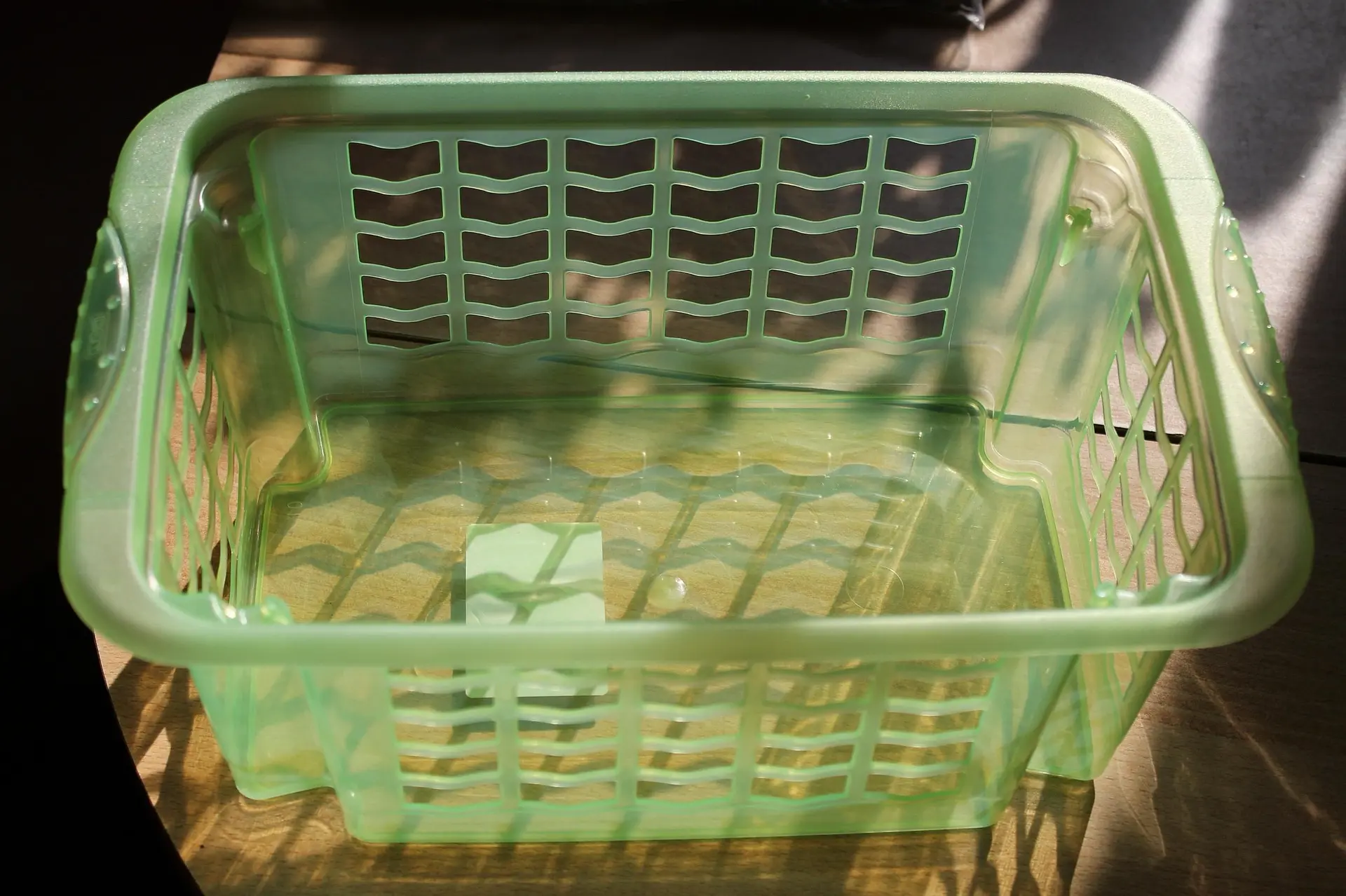
Give Every Kid a Laundry Basket They Own
One basket per child, in their room, with their name on it. Not a shared hamper down the hall.
Laundry gets out of control in family homes because the distance between where clothes come off and where they are supposed to go is too far for a seven year old to bother with. Shorten the distance and the floor stays clearer.
Then pick two fixed laundry days per week and hold them. Whatever is in the basket gets washed. Whatever is on the floor does not. Kids learn that rule quickly.
Set Up a Homework Station That Is Not the Kitchen Table
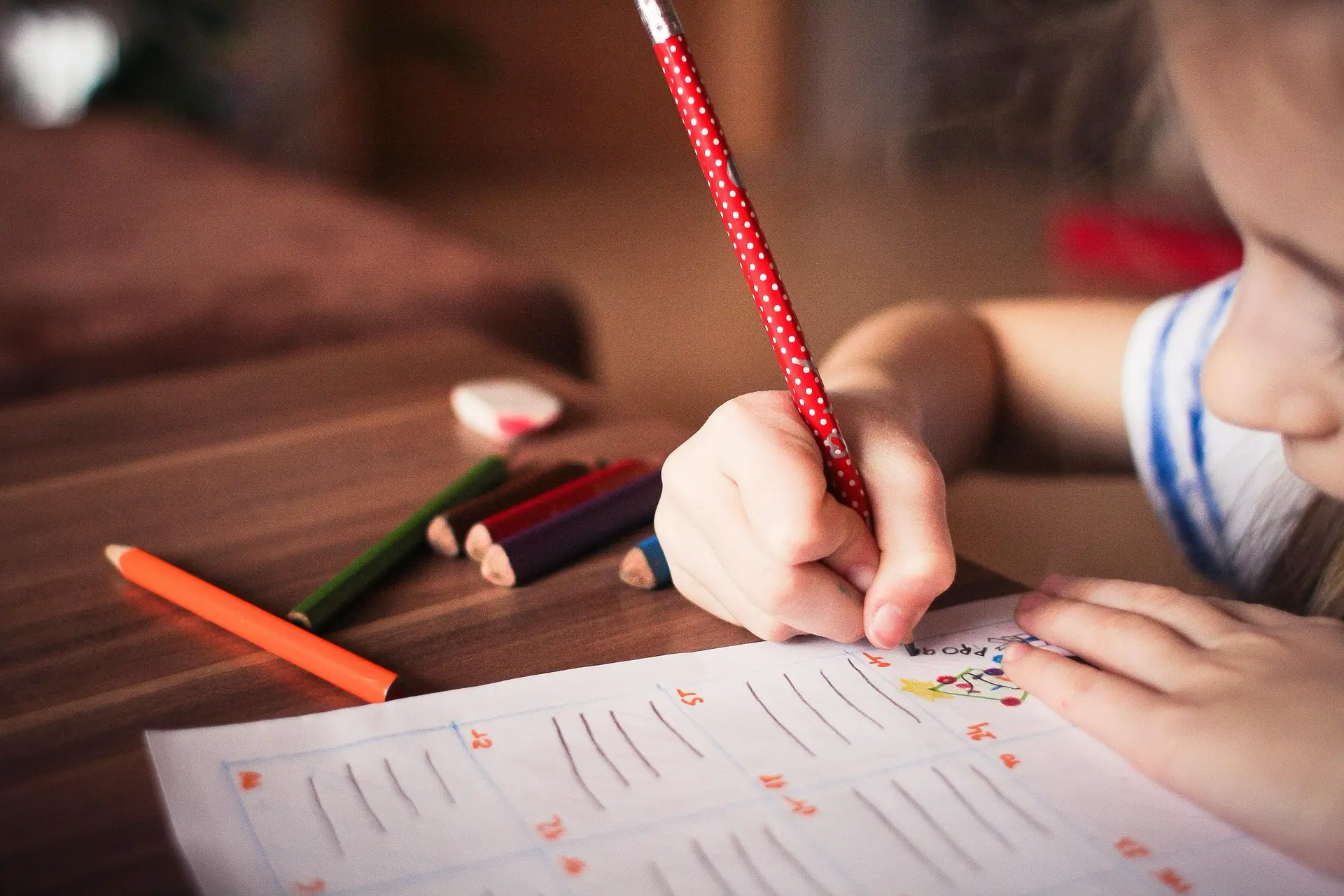
If homework happens at the kitchen table, your kitchen is never fully clean and dinner becomes a twenty minute clearing operation every night.
Any small dedicated surface works. A desk, a corner of the dining table that is not the eating end, even a rolling cart that gets wheeled out and wheeled away. What matters is that pencils, paper and school folders have a permanent home that is not a surface you need for something else.
Cut the Toy Volume Before You Try to Organize It
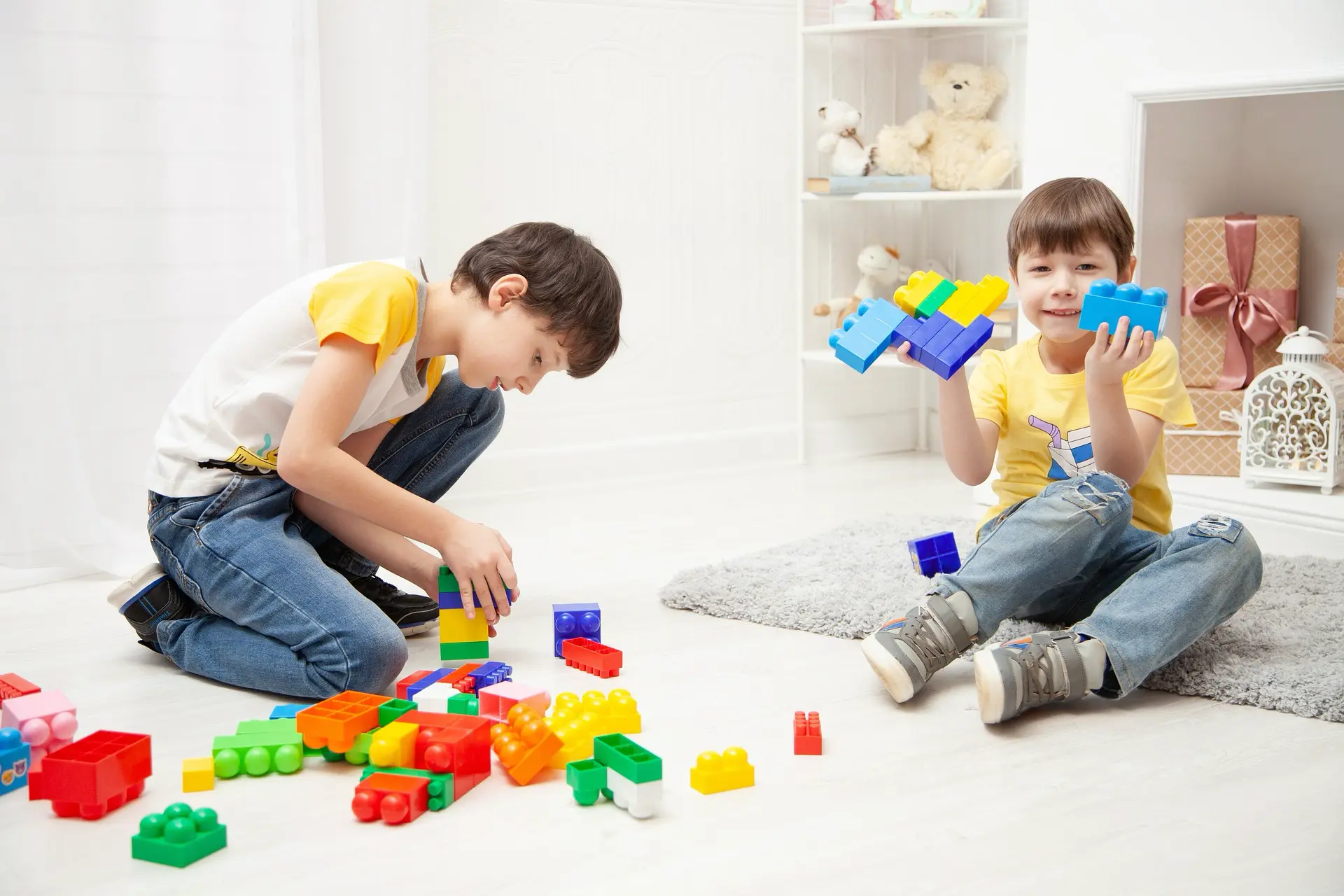
There is no organizing system that saves a room with too many toys in it. Volume is the problem, and no amount of bins fixes volume.
Do one honest sort before school starts properly. Anything broken goes out. Anything they have genuinely outgrown gets donated. Then take roughly a third of what is left and put it in a bin in the basement or a closet.
Six weeks later, swap that bin for a third of what is currently out. The toys feel new again, and the living room only ever holds an amount your children can actually tidy in five minutes.
That last part is the real test. If your child cannot put the toys away in five minutes, there are too many toys out.
Put Cleaning Supplies in Every Room That Needs Them
Nobody walks downstairs to fetch a cloth. If the supplies are two rooms away, the spill sits there until it dries and becomes a real job.
Keep a cloth and a safe spray in each bathroom, under the kitchen sink and wherever your kids eat snacks. If your children are young, use products that are safe to have within reach or keep them in a high cupboard in that room rather than centralized in one caddy.
The Daily Routine That Actually Holds
Three short bursts, not one long clean. Nothing here takes longer than fifteen minutes.
The Morning Ten Minutes
Beds get pulled up, not made properly. Breakfast dishes go into the dishwasher rather than the sink. Counters get one wipe. Anyone leaving the house takes something with them that belongs in another room.
That is the whole morning routine. The point is that you come home to a house that has not already lost.
The After School Fifteen Minutes
This is the highest value slot in the day and most families skip it.
Backpacks empty at the landing zone. Lunch containers into the dishwasher, not left in the bag until tomorrow morning. Shoes into the bin. Water bottles rinsed. Anything that came home in the bag, whether it is artwork, a form or a note, gets dealt with immediately rather than added to a pile.
Doing this before snack works better than after. Once children sit down, they are not getting up again.
The Evening Reset
Ten to fifteen minutes after dinner, with everyone in the house involved.
Kitchen counters cleared and wiped, dishwasher loaded and started, kitchen floor swept, living room floor cleared of anything that lives elsewhere. Set a timer, put music on, and stop when it goes off even if you are not finished.
Stopping at the timer matters more than finishing. It is what keeps this from becoming a nightly argument.
What Kids Can Genuinely Do at Each Age
Parents consistently underestimate this, then get frustrated doing everything themselves.
Ages Two to Four
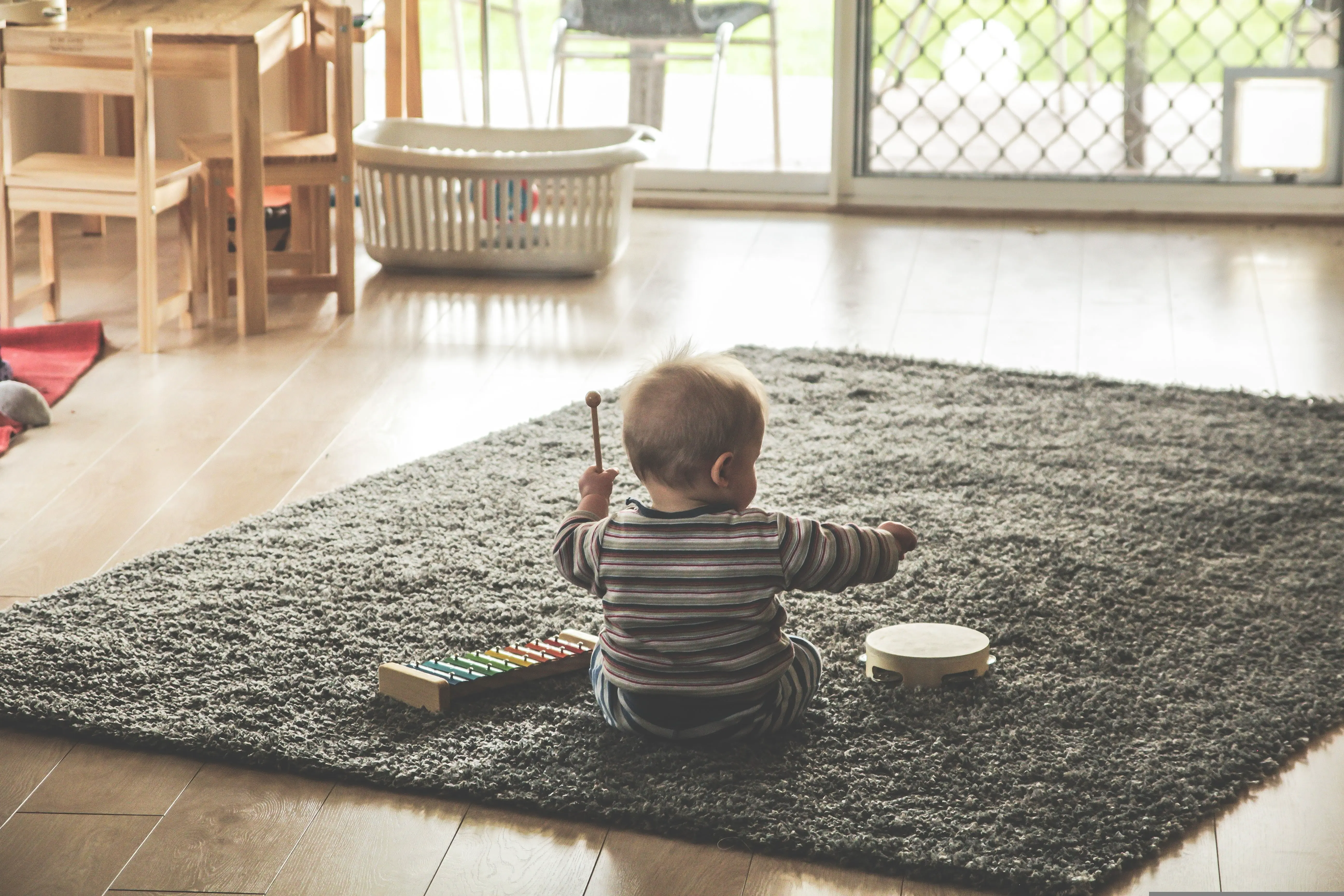
Put toys into a bin. Carry their plate to the counter. Throw rubbish away. Push a small broom around with no real result. Wipe a surface badly.
The output is close to worthless. The habit is not. Praise the effort and resist redoing it in front of them.
Ages Five to Seven
Make their own bed to a loose standard. Sort laundry into lights and darks. Set the table. Feed a pet. Wipe up their own spills. Put their own laundry away.
Ages Eight to Eleven
Load and unload the dishwasher. Vacuum a room. Clean a bathroom sink and mirror. Take out the rubbish and recycling. Fold and put away a full load of laundry.
Twelve and Up
Run their own laundry start to finish. Clean a full bathroom. Mop floors. Prepare a simple meal and clean up afterwards.
By this age a teenager can realistically own two rooms of the house entirely, and most of them can do it well when the expectation is clear and consistent.
The Weekly Jobs Worth Protecting
Pick one weekday evening or a set weekend slot and keep it fixed.
- Bathrooms, including the toilet, sink, mirror and floor
- Vacuum the whole house properly, including under the sofa cushions
- Mop the kitchen and entryway floors
- Change bed sheets
- Clear out the fridge before the weekly shop
- Deal with the paper pile from school, keeping the important forms and recycling the rest
- Wipe down high touch surfaces such as light switches, door handles, remotes and railings, which matters more once cold season starts
The Toronto Problem: Mud, Slush and Salt
From October onward, your entryway becomes the hardest working part of your home, and with kids it takes double the traffic.
Put down two mats, one outside and one inside. Get a boot tray with a raised edge that can actually hold melted slush rather than letting it run onto the floor. Keep an old towel by the door for wiping paws and small boots.
The single most useful rule you can introduce in a Toronto home with children is shoes off at the door, without exception, from the first week of school. Enforced in September when it is only a bit of mud, it is already automatic by the time road salt arrives in November. Salt is far more damaging to hardwood and carpet than dirt is, and it is much easier to stop at the door than to clean out later.
How to Stop Chores Becoming a Nightly Fight
A few things that genuinely help.
Make it a time, not a task. Ten minutes of tidying is a much easier ask than a list of jobs. Children can see the end of it.
Do it together. Sending a child to clean alone almost always fails. Working alongside them for the same ten minutes works far better, and it stops the job feeling like a punishment.
Be specific. Tidy your room means nothing to an eight year old. Put the books on the shelf and the clothes in the basket means something.
Let the standard slip. If you redo their work in front of them, they stop trying. A badly made bed made by a child is worth more than a perfect one made by you.
Keep it predictable. Same slots every day. Routines survive because they stop being negotiated.
When It Makes Sense to Get Help
There is a point where the maths stops working. If both parents work full time, the commute eats an hour each way, and weekends are already committed to sport and activities, there is no version of the week where a deep clean fits.
What we see work well for families is a division of labour. You handle the daily reset, which is the part that genuinely has to happen every day and which nobody else can do for you. A cleaning team handles the deep work on a schedule, usually every two weeks, covering bathrooms, floors, kitchen degreasing and the jobs that need to be done properly rather than quickly.
That combination is what keeps a family home stable through a school year. The daily rhythm holds the baseline, and the deep clean stops the baseline sliding down over time.
Frequently Asked Questions
How do you keep a house clean with young children?
Focus on resetting rather than perfection. Protect four things daily, which are the kitchen counters, kitchen floor, sink and entryway, and treat everything else as a weekly job. Build short routines into times that already exist in your day, such as after school and after dinner, rather than trying to find new time.
How much should kids help with cleaning?
More than most parents ask for. A five year old can set a table and put laundry away, an eight year old can vacuum and load a dishwasher, and a twelve year old can run a full load of laundry and clean a bathroom. Start small and stay consistent.
How often should a family home be deep cleaned?
Every two to four weeks for most family homes, depending on how many children you have and whether there are pets. Homes with young children and pets usually need the shorter interval, particularly through winter when everyone is indoors.
What is the fastest way to tidy before guests arrive?
Clear all flat surfaces into one basket, wipe the kitchen counters, sweep the entry, close the bedroom doors and put a clean hand towel in the bathroom. That takes about ten minutes and covers everything a visitor actually sees.
How do I keep the entryway clean during a Toronto winter?
Two mats, a boot tray with a raised lip, a towel by the door, and a strict shoes off rule from September. Salt causes far more damage than mud, so stopping it at the door is worth the effort.
Start the School Year With a Clean Slate
The reset works best when you begin from a genuinely clean baseline rather than trying to build new routines on top of a backlog.
Scrubishly works with a lot of families across Toronto, North York, Brampton, Mississauga, Markham, Scarborough, Vaughan, Etobicoke and Richmond Hill, and September is one of our busiest months for exactly this reason. Parents book a deep clean in the first weeks of school, then keep the daily routine going from there.
Get a free quote and book your back to school clean online